The short version
Most good postcards follow the same loose order: where you are, one thing that happened, a line for the person reading it, and a goodbye. The second part is where the card lives or dies, so spend most of your words there.
- 1
Date and place
Write the date and where you’re sitting at the top. “Tuesday, a café by the tram stop” tells them more than “Lisbon” ever will.
- 2
One real detail
Pick the thing you’d tell them first if they called tonight. It might be the waiter who remembered your order on the second day, or the rain that started the minute you bought sunglasses. One detail beats five adjectives.
- 3
Something for them
Add a line only they would get: the dish they’d have ordered, the shop their dog would have dragged you into, the question you want answered when you’re back.
- 4
A sign-off that fits
End it the way you’d end a phone call with that person. “Love” for your mom, “See you Thursday” for the friend who’s feeding your cat.
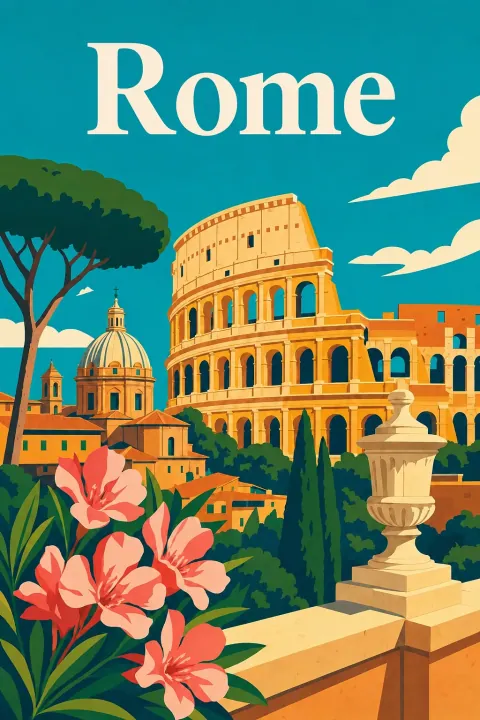
Here’s one from Rome that does all four in about forty words.

How to lay out the back of a postcard
Turn a postcard over and you’ll usually find a line down the middle. Everything to the left of it is yours. The right half belongs to the mail carrier.
- Stamp: top right corner, upright. Many cards print a little box there to show you.
- Address: on the right half, below the stamp. Name on the first line, street on the second, then city, state and ZIP code. Use your clearest print, even if the message is a scrawl.
- Sending it abroad: add the country on its own last line, in capital letters. If you’re mailing home from a trip, that line says USA.
- Message: on the left half, with the date and place at the top.
- Return address: optional, and most people leave it off. If you want an undeliverable card to come back to you, write it small in the top left corner.
- Bottom edge: leave the strip under the address blank. Sorting machines print a barcode there.
Use a ballpoint. Gel pens and fountain pens smudge on the coated card some postcards are printed on, and one rainy mailbox can turn a felt-tip address into a watercolor.
Buy the stamp in the country you’re mailing from. A US stamp won’t get a card out of Italy, so ask for postage where you buy the card, or at the hotel desk.
How to start and end a postcard
You don’t need a formal greeting. A postcard is closer to a text message than a letter, and the opening can be as short as a name and a comma.
Ways to open
- “Hi Sam,” or “Dear Grandma,” (you can’t go wrong with either)
- “Greetings from Edinburgh,” the old postcard classic, still perfectly fine
- “Hello from the top bunk of a night train,” when where you’re sitting is half the story
- “Dear all,” for a family, a household or an office
- “Guess where I am.” for someone who’ll look at the picture first anyway
Ways to sign off
- “Love,” or “Lots of love,” for family
- “Miss you,” or “Wish you were here,” (a cliché, but people still like getting it)
- “See you soon,” or “Back on the 14th,” if they’re waiting for you
- “Hugs from Kyoto,” or any “from” with the place in it
- “Cheers,” or “Take care,” for coworkers and neighbors
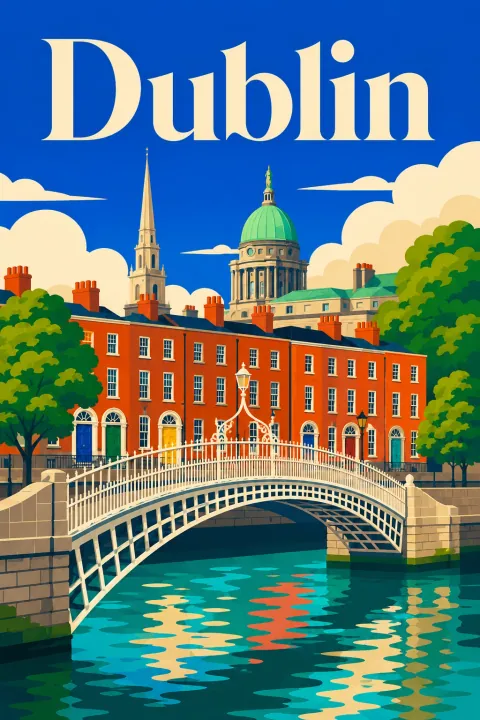
- Something only you two would say, like “Yours from the rainiest week in Dublin,”
If several of you are signing, let one person write the message and have the others add their names. Four handwritings fighting over six lines never ends well.
Postcard messages for everyone on your list
The same trip reads differently depending on who’s holding the card. These are the people you’re most likely to write to, with a few examples for each.
To a friend
Friends want the gossip and the small disasters. Write the way you’d text them, only a bit slower.



To your parents or family
Family wants to know you’re safe and fed, so tell them, then give them a scene as well. Your mom can picture you better from one street than from “having a great time.”



To grandparents
Grandparents read a postcard more than once, and it often stays on the fridge for weeks. Write a little larger than usual, keep the sentences simple, and say when you’ll be home so they have a day to look forward to. If they’ve been there themselves, ask what they remember. That question will get you a longer phone call than any description.

To a child
Kids get almost no mail, which makes a postcard with their own name on it a big deal. Write to them directly, in print letters if they’re just learning to read, and stick to things they can picture: animals, food, anything enormous. End with a question so they have something to tell you when you’re back.



To your partner
If they stayed home, skip the itinerary and tell them where you missed them. If you’re traveling together, write one anyway and mail it to your own address. It turns up about a week after you’re back, which is exactly when the trip starts to feel far away.


To coworkers
An office postcard gets pinned to a board and read by people you barely know, so keep it friendly and light. Gloat a little, not a lot.

Funny postcards are about what went wrong
The postcards people keep are rarely about perfect days. A missed train or a gull that stole your sandwich makes a better story than a sunset, and it sounds more like you.


Short postcard messages for when you’re out of room
Sometimes the address eats half the card, or you’re writing twelve at once on a café table. Short is fine, as long as there’s one specific thing in it.


And a few one-liners for when the card is nearly full:
- “Ate something today I can’t pronounce and would order again.”
- “Saw this and thought of you. That’s the whole message.”
- “The view from my window is on the front. The rain isn’t.”
- “Postcards are slow, so I’m probably home by now. Come over.”
- “Wish you were here, mostly so you could carry the bags.”
What to leave off a postcard
A postcard travels face up. Mail carriers, sorting staff, a roommate and probably the neighbor all get a chance to read it, so keep secrets for letters.
- Anything you wouldn’t say in front of their whole family: news that isn’t yours to tell, relationship trouble, medical details.
- Your own home address next to “away for two more weeks.”
- The full itinerary. Nobody needs to know which day was museum day.
- Long apologies for not writing sooner. The card is the apology.
- Prices, unless the price is the joke.
If you have more to say than fits, send the postcard anyway and save the rest for a phone call. A short card that arrives beats a long letter you never get around to.
Sending a postcard from your phone
Paper postcards come with chores. You need a stamp, a mailbox and the right address, and the card often lands after you’re home. If one of those gets in the way, you can still send something with a picture on the front and your handwriting on the back.
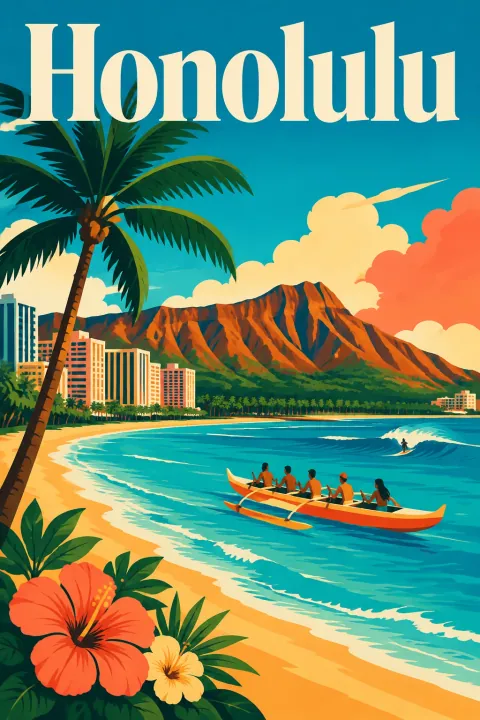
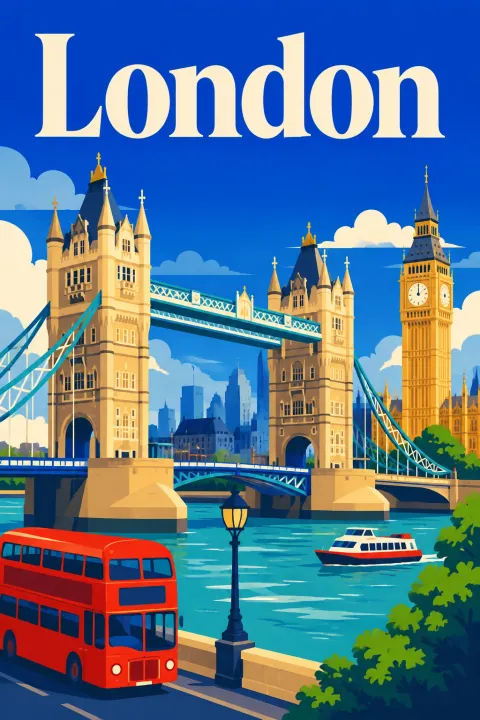
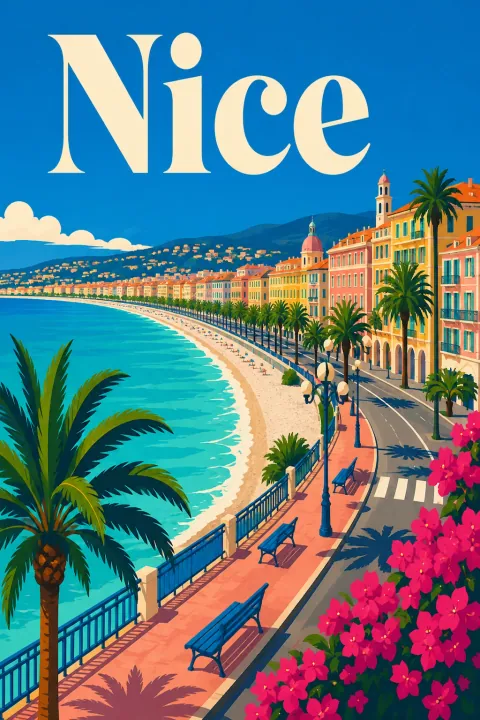
That’s what Youmory does. Every city you check in to gives you its illustrated postcard (the artwork is made with AI), and almost 2,000 places have one. Turn the card over, write on the back with your finger in one of eight handwriting styles, pick a stamp, and send it to a friend in the app. You can also share it as a link in a group chat: anyone can see the front, and whoever opens it first in Youmory gets to read the back and keep the card.
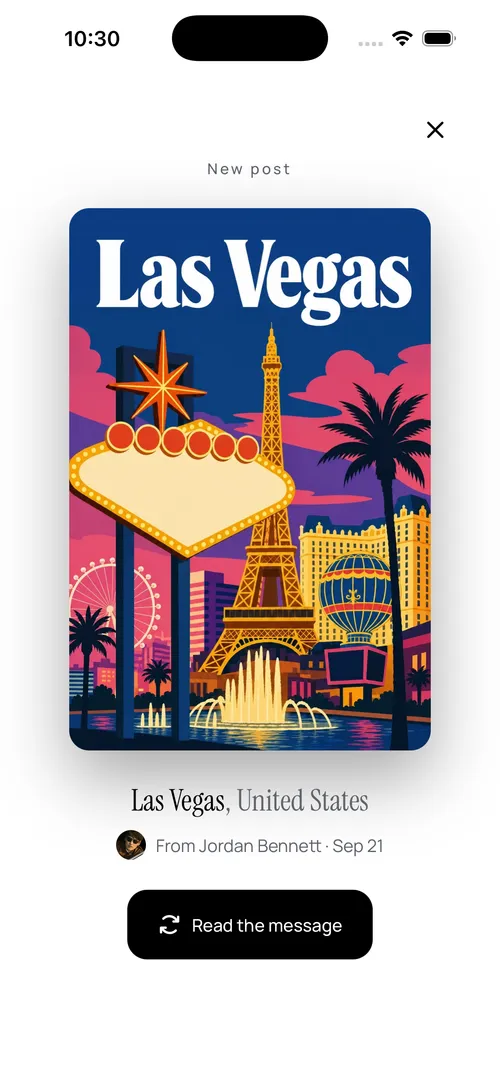
For the grandparents, a paper card on the fridge is still hard to beat. The phone version helps with the friend you only remembered on the last night, or a city where you never found a post office. Collecting and sending postcards is free, and the help page walks you through sending your first one.
Questions
What do you write on a postcard?
Start with the date and where you are, describe one specific thing from your day, add a line meant for the person reading it, and sign off. Three or four sentences is plenty.
How do you address a postcard?
Write the address on the right half of the back: name, street, then city, state and ZIP code, each on its own line. For another country, add the country’s name in capital letters on the last line.
Where does the stamp go on a postcard?
In the top right corner of the back, above the address. Many postcards print a small box there to show you.
Do you need a return address on a postcard?
No, it’s optional. If you want an undeliverable card to come back to you, write your address small in the top left corner.
How long should a postcard message be?
Usually 40 to 80 words, depending on your handwriting. Aim for three or four sentences and stop before your writing shrinks to nothing.
How do you sign off a postcard?
Use whatever you’d say at the end of a phone call with that person: “Love” for family, “Miss you” for close friends, “See you soon” or “Cheers” for coworkers. Then your name.
Can I send a postcard from my phone?
Yes. In Youmory you check in to the city you’re in, write on the back of its postcard with your finger, add a stamp, and send it to a friend in the app or as a link.